
The aesthetics industry is evolving fast, and nurses are increasingly finding their calling within the world of injectable treatments. Demand for skilled injectors is soaring, offering a new dimension of professional satisfaction and career growth for registered nurses ready to expand their expertise.
What Are Injectable Aesthetic Treatments and Why Should Nurses Consider Them?
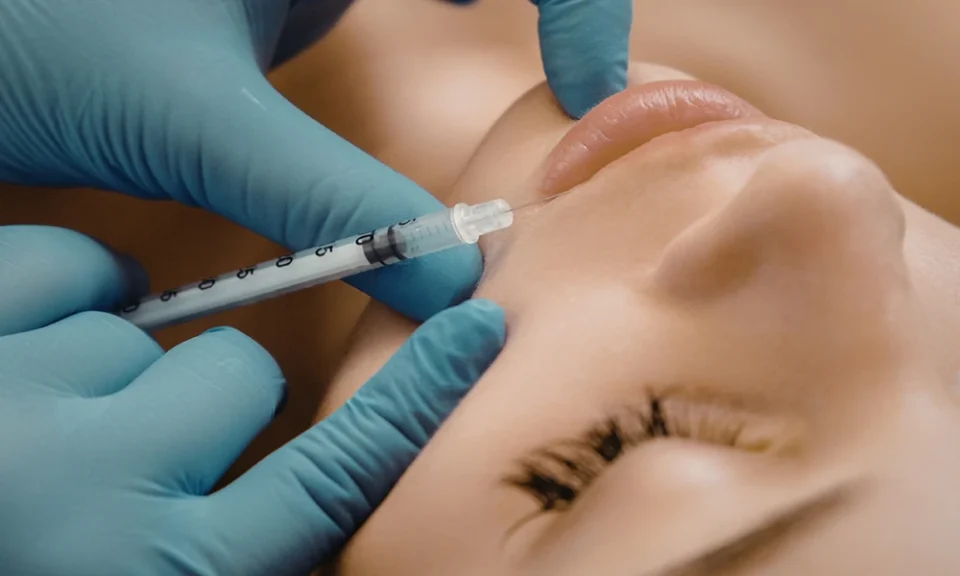
Injectable aesthetic treatments include procedures like neuromodulators (such as Botox, Dysport, or Lettybo) and dermal fillers used to refresh appearance, smooth wrinkles, and enhance facial contours. These non-surgical interventions are no longer exclusive to celebrities; more people seek safe, effective ways to look their best, making this field a thriving opportunity for healthcare professionals.
Nurses bring a unique blend of clinical knowledge, patient care skills, and precision, making them especially trusted in medical aesthetics. As regulations recognize nurses’ expanded scope, the profession is uniquely positioned to meet rising demand and deliver patient-centered outcomes.
How Can a Nurse Start Learning About Injectable Treatments?
Stepping into aesthetics begins with building a solid foundation in facial anatomy and safety. Understanding the location of nerves, blood vessels, and underlying structures is crucial for any practitioner. Safety isn’t a buzzword in this field, it’s the difference between a transformative experience and a preventable complication.
Basic injection techniques come next. These include knowing how to hold, angle, and deliver injectables with accuracy. But technical skill alone isn’t enough. Nurses must also master patient consultation and treatment planning, matching patient goals with realistic and safe approaches.
What Are the Progressive Steps to Master Injectable Aesthetics?
Developing expertise in injectables is not a one-time event. It’s a progression, best approached in structured levels:
Level 1: Foundations – From Anatomy to Basic Neuromodulation
Beginners start by learning facial anatomy, patient safety, and ethical considerations. They’re introduced to neuromodulators and taught the essentials: patient assessment, secure injection zones, and protocols to ensure a safe start. Certificates at this stage affirm the nurse’s readiness for hands-on practice.
Level 2: Intermediate Skills – Advanced Techniques and Complication Management
With experience, nurses move to advanced neuromodulation and basic filler techniques (for lips, cheeks, and chin). Training covers product combinations, natural rejuvenation, and, vitally, how to spot and manage complications. Live model practice deepens understanding, and documentation best practices are highlighted.
Level 3: Advanced Expertise – Facial Harmonization and Complex Procedures
The highest tier explores full facial harmonization, injections in challenging areas (like temples or tear troughs), and the use of cannulas versus needles. Nurses learn to handle rare but serious events (such as vascular occlusion) and gain strategic insights for business development.
Which Skills Are Critical for Safe and Effective Injection Practice?
Success in this field is rooted in three pillars:
– Identifying Safe Injection Zones and Techniques: Knowing precisely where and how to inject is non-negotiable.
– Risk Assessment and Ethical Considerations: Each patient requires a customized plan, and nurses must balance safety, efficacy, and ethics at every turn.
– Managing Complications: From minor bruising to more serious vascular issues, swift recognition and response are essential. Ongoing learning keeps these skills sharp.
How Does Hands-On Training Enhance a Nurse’s Competence?
Reading about injections is one thing; doing them is another. Real learning happens through practice, on mannequins, then live models, and, eventually, real patients. Small-group sessions and expert supervision create an environment where nurses can ask questions, correct their technique, and build genuine confidence.
Clinical observation offers a window into real-world scenarios. Shadowing experienced injectors, witnessing patient interactions, and managing workflow all contribute to a comprehensive understanding of practice dynamics.
What Resources and Support Are Available for Nurses in Aesthetic Training?
Choosing the right training provider matters. Look for programs led by experienced clinicians, offering tiered curriculums and plenty of practical experience. Mentorship is invaluable; guidance from seasoned pros accelerates progress and provides reassurance during challenging cases.
Certification isn’t just a credential, it’s proof of competence, building trust among colleagues and patients. Resources like Mediluxe formation infirmière injectrice stand out by offering progressive, hands-on learning in a supportive, expert-led environment.
How Can Nurses Build a Successful Career in Injectable Aesthetics?
Success goes beyond technical skill. A thriving career requires personal branding, continuous education, and savvy business strategies. Nurses must stay alert to local regulations, understand consent and documentation requirements, and develop a client base through reputation and strong patient relationships.
Continual improvement, attending workshops, seeking advanced certificates, and networking with peers, keeps skills sharp and opens new doors in this dynamic field.
Where to Find More Information and Take the Next Step?
Enrolling in a comprehensive program is the smartest way to begin. Before choosing, ask questions about curriculum depth, hands-on opportunities, mentorship quality, and long-term support. Reputable training centers welcome inquiries and can tailor recommendations to your experience level and goals.
With the right foundation, guidance, and drive, nurses can carve out a rewarding niche in the world of injectable aesthetics, transforming both their careers and the confidence of their clients.
