
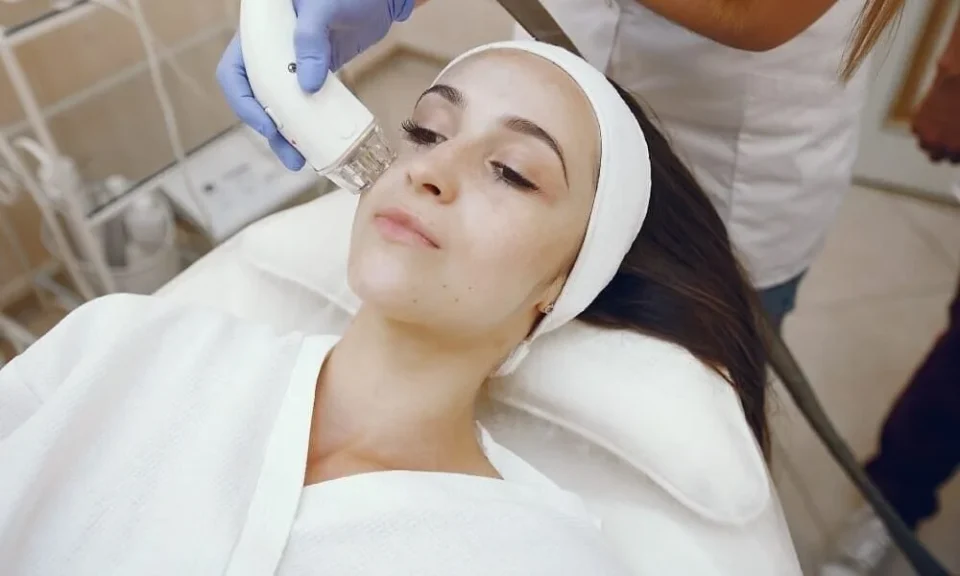
In recent years, medical science has uncovered astonishing ways the body communicates and heals itself, and one of the most intriguing discoveries centers around tiny biological messengers known as exosomes. These microscopic extracellular vesicles play a role in cellular communication and have inspired a novel approach called Exosome Therapyv, which harnesses their natural capacity to influence tissue repair, inflammation, and regeneration across a range of applications. As interest grows, this treatment is drawing attention from fields as diverse as dermatology, orthopedics, and regenerative medicine.
Understanding How Exosome Therapy Works: Nature’s Communication System
At the core of Exosome Therapy lies a fundamental biological process: cells continually release tiny membrane-bound vesicles — exosomes — into their surroundings. These vesicles contain an array of proteins, lipids, and genetic material such as RNA that allow them to deliver specific messages to other cells, effectively influencing how recipient cells behave. This intercellular communication is a key mechanism in tissue repair, inflammation modulation, and cellular homeostasis.
Unlike traditional treatments that introduce external chemicals or drugs, exosome-based approaches leverage these natural signaling particles to stimulate the body’s own regenerative processes. When applied therapeutically, exosomes can deliver beneficial molecules to target tissues, encouraging cell proliferation, collagen synthesis, and immune modulation in ways that support wound healing and tissue restoration. Because exosomes aren’t live cells, they avoid some of the risks associated with cell-based therapies, such as immune rejection or uncontrolled cell differentiation.
One distinguishing feature of these vesicles is their ability to carry a concentrated set of growth factors and messenger molecules that can influence recipient cells at a profound level. This capability has positioned Exosome Therapy as a compelling alternative to more invasive procedures, with the potential to enhance outcomes in both aesthetic and medical contexts.
Applications and Advantages Across Health and Aesthetics
A major area where Exosome Therapy is making strides is skin and tissue rejuvenation. Because exosomes can help modulate inflammation and stimulate collagen and elastin production — proteins essential for skin structure and firmness — they are being explored as tools for improving skin texture, minimizing fine lines, and supporting recovery from cosmetic procedures such as microneedling or laser treatments. By enhancing fibroblast activity, exosomes may help the skin rebuild more resiliently and with greater elasticity than traditional topical treatments alone.
Beyond aesthetics, the anti-inflammatory properties of exosomes invite broader therapeutic possibilities. These tiny vesicles have demonstrated potential in reducing chronic inflammation by regulating immune responses and calming overactive cellular signaling. In conditions where inflammation plays a central role — such as arthritis or autoimmune disorders — exosomes may support tissue healing and reduce discomfort by tempering excessive immune activity.
Exosome therapy’s promise also extends to regenerative medicine more widely. In wound healing, exosomes delivered to chronic or difficult-to-heal injuries appear to accelerate tissue regeneration and reduce scar formation, partly by encouraging cell proliferation and migration at the injury site. This suggests potential utility in settings ranging from diabetic ulcers to post-surgical recovery.
Emerging research even hints at neurological applications, as the small size of exosomes allows them to traverse biological barriers like the blood-brain barrier. This has sparked investigation into their possible roles in supporting nerve repair and neuroprotection, although this frontier remains in early stages of study and clinical validation.
Safety and Future Directions
One of the appealing aspects of Exosome Therapy is its cell-free nature. Because exosomes do not contain living cells, they sidestep many of the risks associated with stem cell therapies, such as potential tumor formation or undesirable cell growth. They also tend to have a lower likelihood of immune rejection, making them more universally applicable across patients.
However, while exosomes hold considerable promise, the field is still evolving. Much of the scientific community acknowledges the need for more rigorous, large-scale clinical research to standardize preparations, dosages, and delivery methods. In cosmetic uses, particularly where products are marketed with exosome components, experts caution that outcomes can vary widely and regulatory oversight is still catching up with innovation.
Experts also emphasize that the effectiveness of exosome treatments can depend on the source and purity of the exosomes used. Research to better understand how different exosome profiles influence outcomes — and how best to deliver them — remains an active area of investigation as clinicians and scientists seek to refine this therapy’s safety and efficacy.
