
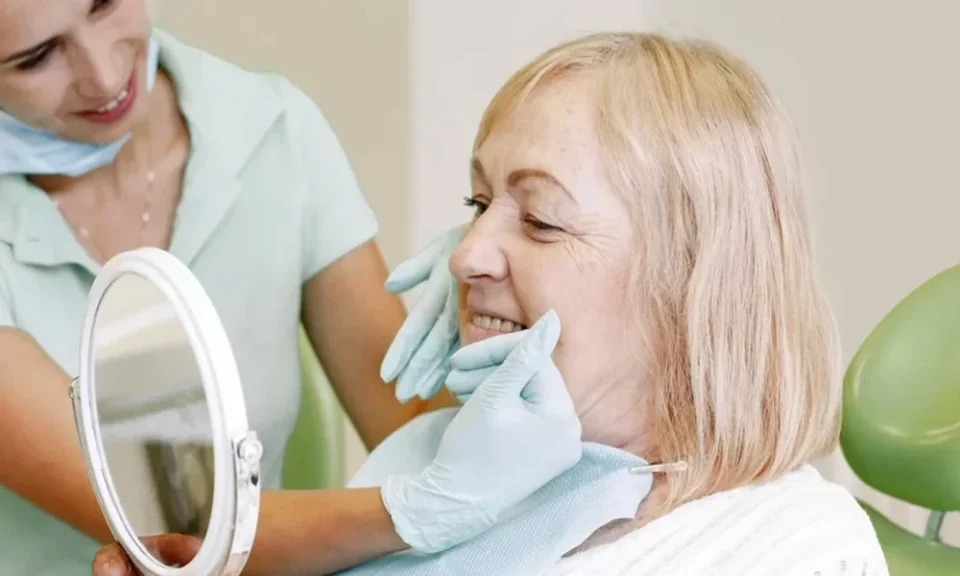
You might put off dental visits for months, sometimes years, then feel a wave of shame when it is time to call. Your chest tightens in the waiting room. The sound of tools sets your nerves off before anyone even says your name. That reaction is common, and it does not mean you are difficult or careless. It means your body has learned to treat preventive dental care for families like a threat.
How family dentists adapt care for patients with anxiety often comes down to one simple idea. They stop treating fear like a side issue and build the visit around it. A good family dentist does not just clean teeth and fill cavities. They slow the pace, explain what is happening, check in often, and create enough predictability that your body can stop bracing for the worst.
That matters because avoiding care rarely keeps things still. Small problems become painful ones, and fear gets stronger each time you cancel. The National Institute of Dental and Craniofacial Research highlights the wider impact of oral health on daily life, overall health, and access to care in Oral Health in America. Anxiety can quietly block all of that.
Dental anxiety changes the entire care experience
People with dental anxiety are not only worried about pain. Sometimes it is loss of control. Sometimes it is embarrassment about the condition of their teeth. Sometimes one bad visit years ago still shapes every appointment now. You may worry that the dentist will judge you, rush you, or keep going after you are clearly overwhelmed.
That fear changes behavior. You may wait until a small ache becomes a broken tooth, or ignore bleeding gums because the thought of sitting in the chair feels worse than the symptom. Then the visit becomes longer, more invasive, and more expensive, which confirms the fear you had in the first place. That cycle is hard to break without a dental team that understands it.
A family dentist for anxious patients usually adapts care before treatment begins. The first adjustment is often communication. Instead of moving straight into the exam, they ask what triggers you, whether you want step by step explanations, and what signal you want to use if you need a pause. That sounds small, but it changes the power dynamic. You are no longer trapped in a process that is happening to you.
Environment also matters. Some practices lower noise, reduce harsh sensory input, and give patients more control over pacing. Others schedule anxious patients at quieter times of day or allow a consultation visit before any treatment starts. The NIDCR has described this kind of trauma aware design in its piece on a safe space dental clinic, showing how care can be shaped around emotional safety instead of treating it as an afterthought.
Family dental care for nervous patients works best when control is shared
Fear gets worse when everything feels uncertain. Family dental care for nervous patients often focuses on giving you clear choices. That may include agreeing on hand signals, using numbing options early, breaking treatment into shorter visits, or discussing sedation if your anxiety is severe. Some patients do fine once they know what will happen. Others need stronger support. Both are valid.
Money stress can also sit underneath the fear. If you expect bad news, you may avoid the appointment because you are bracing for a large bill as much as a procedure. A thoughtful office explains priorities plainly. They tell you what needs care now, what can wait, and what each option costs. That reduces the sense that one visit will spiral into something unmanageable.
Children and teens often benefit from the same approach. When a parent has dental fear, kids often absorb it without anyone meaning to pass it down. A calm family dentist can help stop that pattern by using simple language, predictable routines, and positive first visits that are not centered on pain.
Supportive dental care lowers stress and improves follow through
| Approach | What It Often Feels Like | Likely Result |
|---|---|---|
| Standard rushed appointment | Little explanation, fast pacing, few pauses | Higher stress, missed follow up, delayed treatment |
| Anxiety aware appointment | Clear steps, agreed stop signal, slower pace | Better trust, more consistent care, fewer cancellations |
| Consultation before treatment | Time to discuss triggers, costs, and options without pressure | More control, easier decision making, less fear before the main visit |
| Staged treatment plan | Shorter visits for larger problems | Less overwhelm, improved tolerance for care |
Research and public health guidance continue to reinforce the link between access, trust, and oral health outcomes. If you want reliable background on prevention, treatment, and common conditions, the NIDCR offers practical patient information through its oral health resources. Good information helps, but the real shift often comes when the office uses that knowledge in a way your nervous system can handle.
Small steps make dental visits feel possible again
1. Tell the office you have anxiety before you arrive.
Say it plainly when you book. You do not need a perfect script. “I get very anxious at the dentist and need a slower visit” is enough. Ask whether they offer consultation visits, longer appointments, or comfort measures for anxious patients.
2. Ask for a plan you can agree to in advance.
Request step by step explanations, a stop signal, and breaks if needed. If cost is part of the fear, ask for written estimates and treatment priorities before work begins. Predictability lowers stress because your brain is not trying to prepare for ten unknowns at once.
3. Start smaller than your guilt tells you to.
If a full treatment visit feels impossible, begin with a conversation, exam, or cleaning if that is appropriate for your situation. One tolerable appointment builds more momentum than waiting for the day you suddenly feel fearless. Most people never get that day. They get support, then they get started.
Anxiety sensitive family dentistry helps you return to care without shame
You do not need to be less afraid before you make an appointment. You need a dental team that takes the fear seriously and adapts care around it. That is how people return after long gaps, catch problems earlier, and stop linking dental care with dread every single time. The right family dentist makes the visit feel manageable, not by pretending your anxiety is small, but by responding to it with skill and respect.
If you have been avoiding care, take the next step and ask for an anxiety aware appointment. A simple conversation can make the first visit feel possible again.
