
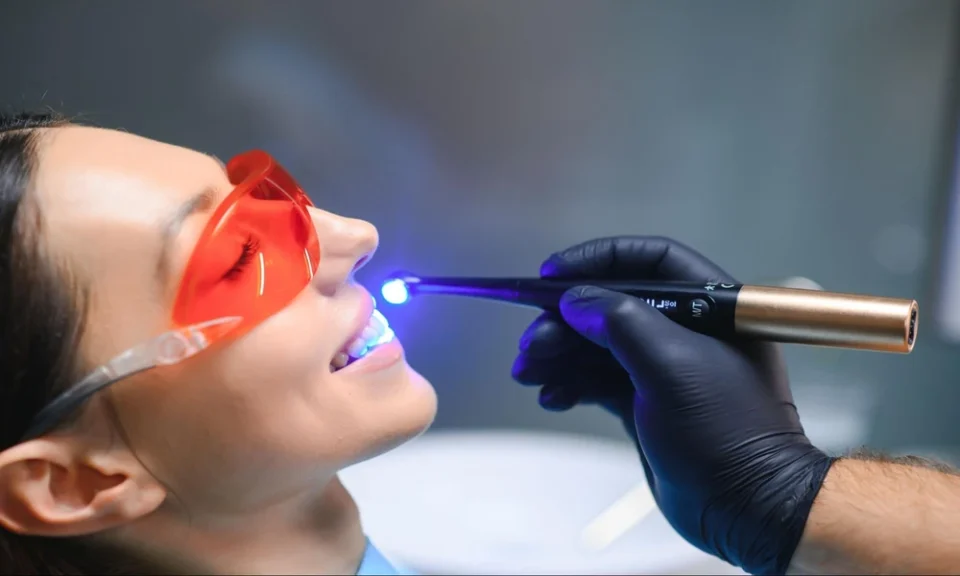
Keeping up with dental care for a whole family can feel like running three schedules at once. One child needs a sealant, a teenager forgot their cleaning, a parent is putting off a crown because of work, and a grandparent needs help understanding treatment options. You are not imagining the strain. The Role Of Technology In Streamlining Multigenerational Dental Care shows up in the small pressure points that build over time, from missed reminders to paperwork, transportation, insurance questions, and the simple fact that different ages need different kinds of care. A Brooksville dentist can often help make that process more manageable for every generation.
A family dentist often becomes the steady point in that chaos. Technology does not replace that relationship. It makes it easier to keep it going. Digital records, online scheduling, text reminders, imaging tools, and patient education platforms can reduce friction for families who are already stretched thin. That matters because oral health needs change across the lifespan, and the gaps usually start with access, time, and follow through, not a lack of caring.
Technology helps families manage changing dental needs across every age
Children, adults, and older adults do not move through care in the same way. Kids need prevention and habit building. Working adults need efficient visits that do not derail the day. Older adults may need medication reviews, restorative work, or support with mobility, memory, and online forms. According to the Oral Health in America report, oral health is tied to overall health, quality of life, and access to care across the lifespan. When one system has to serve all of those needs, delays and confusion are common.
That is where digital tools start to matter in a practical way. Online scheduling lets a parent book back to back appointments without calling during work hours. Automated reminders cut down on no shows that happen because life got loud. Electronic forms save time in the waiting room, which is no small thing when you have a toddler, a school pickup deadline, or an older parent who tires easily.
Dental technology for families also improves communication. A digital treatment plan with images is easier to understand than a rushed explanation at the front desk. If a grandparent needs a caregiver to help review next steps, secure portals and emailed instructions can keep everyone on the same page. That can prevent the quiet breakdown that happens when one person thinks a follow up is optional and another thinks it is urgent.
Better information reduces delays, confusion, and avoidable costs
Families often postpone care for reasons that sound small at first. A form was too hard to complete online. A teen never mentioned the office called. A caregiver was unsure whether a symptom could wait. Those small barriers become larger treatment needs. National data shows how common oral health concerns remain, especially as people age. The CDC data brief on tooth loss among adults aged 65 and older highlights the long term effects of unmet dental needs and uneven access.
Older adults also face a separate issue. Not every patient is comfortable using online systems, even when those systems are meant to help. The CDC offers guidance on older adults and online health information, and the message is clear. Digital tools work best when they are simple, clear, and supported by real human help. A family dental practice that offers both digital convenience and staff guidance tends to serve multigenerational households better.
This is why streamlined family dental care is not just about speed. It is about reducing the chances that someone falls through the cracks. A child gets preventive care on time. A busy parent sees cost estimates before treatment. An older adult gets medication history reviewed and receives written instructions that a caregiver can access later. Technology supports each step, and the family dentist ties those steps together.
Common tools in a family dentist office and what they solve
| Technology Tool | What It Helps With | Best Fit for Multigenerational Care |
|---|---|---|
| Online scheduling | Books visits outside office call hours | Parents coordinating children, work, and older relatives |
| Automated reminders | Reduces missed cleanings and follow ups | Teens, busy adults, caregivers managing several appointments |
| Digital forms and records | Cuts waiting room time and keeps medical history current | Older adults with medications, families with shared insurance details |
| Digital X rays and imaging | Speeds diagnosis and improves treatment explanations | Children needing monitoring, adults needing restorative care |
| Patient portals and secure messaging | Shares treatment plans, bills, and care instructions | Caregivers helping aging parents and households with multiple patients |
The value is simple. Less time gets wasted, fewer details are lost, and treatment decisions become easier to understand. That does not erase cost concerns or dental anxiety, but it removes the avoidable friction that makes both worse.
Simple steps make multigenerational dental care easier right away
Group your family’s dental information. Keep one list with medications, allergies, insurance details, and preferred appointment times for each family member. If your dentist uses digital forms or a portal, update that information there too. This helps when a child, spouse, or older parent needs care quickly.
Use reminders that match real life. Text alerts work for some people. Printed appointment cards still work better for others. Older adults may prefer a calendar on the fridge, while teenagers respond faster to phone reminders. The best system is the one your family will actually use.
Choose a family dentist who uses technology with a human touch. Convenience matters, but support matters more. Look for a practice that offers online tools, clear treatment explanations, and staff who can help when a parent or grandparent gets stuck. The root service is still the same. Good dental care depends on trust, consistency, and follow through.
Technology supports care, but relationships keep families on track
When dental care works well for a whole family, it usually does not feel dramatic. Appointments get booked. Questions get answered. Problems get caught earlier. People know what comes next. That is the quiet strength of smarter systems in a family practice. They reduce stress where families feel it most.
If your household is juggling care for children, adults, and older relatives, a family dentist who uses modern tools well can make the process feel more manageable and less scattered. Small changes in scheduling, communication, and record keeping can protect oral health across generations and make it easier to stay consistent with care.
