
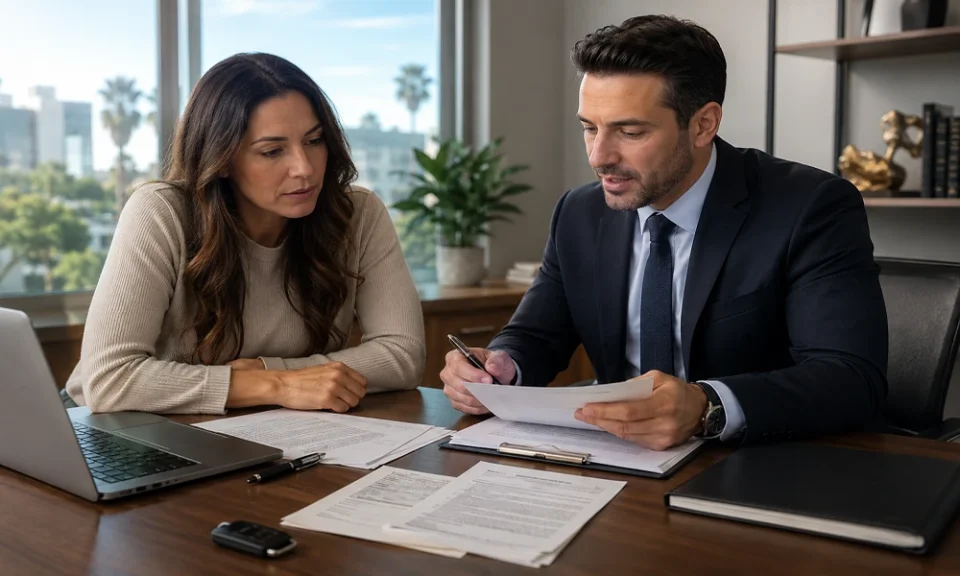
Buying or leasing a vehicle should bring confidence, not repeated repair visits, safety concerns, and unanswered questions. For many California drivers, the frustration begins when a new or warrantied vehicle keeps showing the same problem even after the dealership has attempted repairs. When that happens, the issue may no longer be just an inconvenience. It may raise a serious consumer rights concern.
Under California’s lemon law framework, a manufacturer may be required to repurchase or replace a vehicle when a covered defect substantially affects the vehicle’s use, value, or safety and cannot be repaired after a reasonable number of attempts. For drivers dealing with ongoing problems, understanding the right time to act can make a meaningful difference.
Seven Law Group supports California consumers who want clear guidance, strategic case handling, and a professional review of their vehicle claim.
What Does a Refund Mean Under the California Lemon Law?
A refund in a lemon law case is often referred to as a vehicle repurchase or buyback. In simple terms, the manufacturer may be required to take the defective vehicle back and compensate the consumer according to applicable law.
This may include amounts connected to the vehicle purchase or lease, such as down payment, monthly payments, registration-related costs, and other qualifying charges. The exact recovery can depend on the facts of the case, including the vehicle history, repair timeline, mileage, warranty coverage, and whether the manufacturer is entitled to any lawful mileage offset.
Consumers searching for a lemon law refund should understand that every case is fact-specific. A strong claim usually depends on documentation, repair history, and proof that the problem was not properly resolved.

When May a Defective Car Qualify?
A defective vehicle may qualify when the problem is covered under the manufacturer’s warranty and substantially affects use, value, or safety. Common examples include recurring engine issues, transmission problems, braking defects, electrical failures, steering concerns, battery or charging defects in electric vehicles, and repeated warning lights that do not stay resolved.
California’s official consumer guidance explains that the manufacturer may be required to buy back or replace a vehicle when it cannot repair a covered problem after a reasonable number of attempts. This is why drivers should not ignore repeated visits to the dealership. Each repair order can become important evidence.
For added consumer education, the California Department of Justice provides useful information on the California lemon law and vehicle-related consumer rights.
Why Repair Records Matter
Repair records are one of the most important parts of a lemon law claim. Drivers should keep every repair order, invoice, dealership communication, warranty document, and written complaint. Even if the dealership says “no problem found,” that record may still help show that the consumer repeatedly raised the issue.
A strong record should show the date of each visit, the mileage at the time of repair, the complaint reported, the work performed, and whether the issue returned. Consumers should also save emails, text messages, towing receipts, rental car receipts, and any photos or videos showing the defect.
Seven Law Group helps clients organize these details and evaluate whether the pattern supports a claim against the manufacturer.

Does the Car Have to Be New?
Many consumers assume lemon law protection only applies to brand-new vehicles. However, claims can sometimes involve leased vehicles, certified pre-owned vehicles, or used vehicles that are still covered by the manufacturer’s warranty. The key question is often whether the defect occurred during an applicable warranty period and whether the manufacturer or authorized repair facility had a reasonable opportunity to fix it.
This is also why consumers should understand the difference between a manufacturer’s warranty and an optional service contract. The Federal Trade Commission offers helpful information about auto warranties and how they differ from service contracts.
Why Legal Guidance Can Help
Manufacturers and dealerships deal with warranty claims every day. Consumers, however, may only face a lemon law issue once. That imbalance can make the process feel confusing. A driver may not know whether to continue repairs, request a buyback, accept a settlement offer, or escalate the claim.
Seven Law Group brings focused experience to California lemon law matters. The firm can review the repair history, identify potential claim value, communicate with the manufacturer, and pursue an appropriate resolution. This professional support can be especially important when the vehicle has safety-related problems, repeated failed repairs, or a manufacturer that delays action.
What Should California Drivers Do Next?
A consumer who believes their car may be defective should act carefully. They should continue using authorized repair facilities, when possible, describe the problem clearly, request written repair orders, and avoid relying only on verbal promises. They should also seek a legal review before accepting any manufacturer’s offer that may limit their rights.

A defective vehicle can disrupt work, family life, finances, and personal safety. California drivers do not have to manage that process alone. Seven Law Group helps consumers understand their options and pursue fair outcomes with professionalism and care.
For drivers dealing with repeated vehicle defects, the next step is simple: visit Seven Law Group online and request a case review from a California lemon law team that understands how to handle serious warranty disputes.
Frequently Asked Questions
Can a defective car qualify for a refund in California?
Yes, a vehicle may qualify if it has a covered warranty defect that substantially affects use, value, or safety and the manufacturer cannot repair it after a reasonable number of attempts.
What documents should a consumer keep?
Consumers should keep repair orders, warranty documents, dealership messages, payment records, towing receipts, rental receipts, photos, videos, and written notes about recurring problems.
Does lemon law apply to leased vehicles?
In many cases, leased vehicles may be covered if the defect and repair history meet the requirements under California law.
Should a consumer accept a manufacturer’s buyback offer immediately?
It is wise to seek legal review first. Some offers may not fully account for all available recovery or may include terms that affect the consumer’s rights.
How can Seven Law Group help?
Seven Law Group can review the facts, evaluate the repair history, communicate with the manufacturer, and help pursue a refund, replacement, or other appropriate resolution.
