
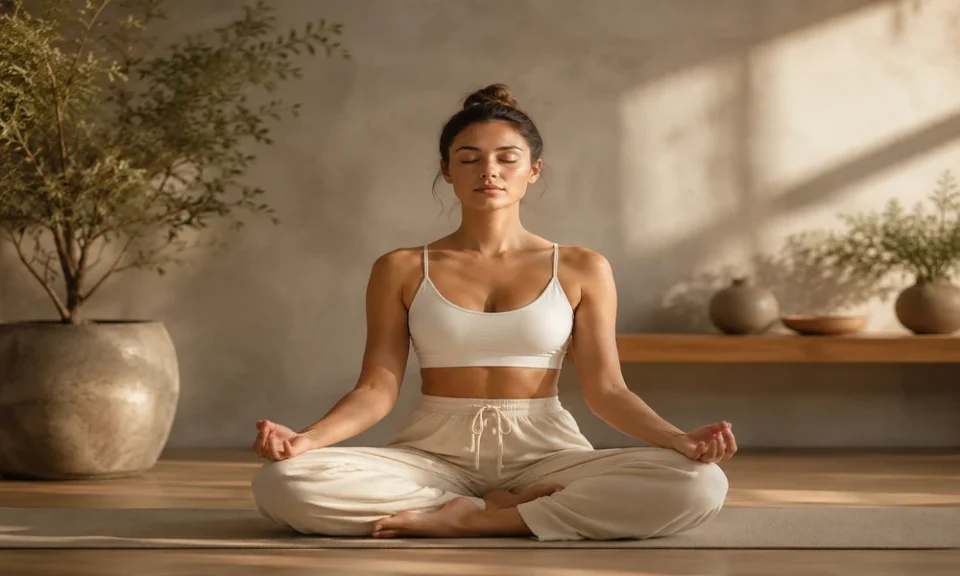
Modern life asks the mind to move fast. Emails arrive. Plans shift. Emotions build. The body keeps score, even when the mind tries to push through. This is why more people are turning toward meditation as a simple, steady way to support mental clarity and emotional balance.
Meditation is not about escaping life. It is about meeting life with more space. It helps people pause before they react. It gives the nervous system a chance to settle. Over time, it can support a more grounded relationship with thoughts, feelings, and stress.
For those beginning the practice, meditation for mental health can offer a clear path into stillness. Op e n brings this path into daily life through guided meditation, breathwork, and intentional practices designed for people who want calm without complexity.
Why Mental Health Needs Daily Support
Mental health is not only the absence of distress. It is the ability to cope, connect, work, rest, and move through life with inner stability. The World Health Organization describes mental well-being as a state that helps people handle stress, realize their abilities, and contribute to their communities.
That kind of well-being needs care. Just as the body benefits from movement, hydration, and sleep, the mind benefits from quiet. Meditation creates that quiet. It gives attention a place to land. It allows the breath to soften. It helps the body move out of high alert and into a calmer state.
This does not mean every meditation session will feel peaceful. Some days, the mind may feel busy. Some days, emotions may rise. The practice is not to force calm. The practice is to notice, breathe, and return.

How Meditation Supports Emotional Balance
Emotions can feel powerful when they arrive quickly. Stress may become tension. Worry may become overthinking. Frustration may become a reaction. Meditation helps create a small space between feeling and response.
That space matters.
With regular practice, a person can learn to observe thoughts without being ruled by them. They may notice stress in the body before it becomes overwhelm. They may become more aware of emotional patterns. This awareness can support better choices, calmer communication, and greater self-trust.
Research reviewed by the National Center for Complementary and Integrative Health notes that mindfulness meditation has been studied for areas such as stress, anxiety, depression, sleep, pain, and overall quality of life. While meditation is not a replacement for professional mental health care, it can be a valuable supportive practice for daily emotional wellness.
The Role of Breathwork in a Calmer Mind
Breath is one of the most direct ways to work with the nervous system. When stress rises, the breath often becomes shallow or fast. When the breath slows, the body receives a different signal: it is safe to soften.
Op e n combines meditation with breathwork to help users move from mental noise into presence. A simple breath-led practice may begin with noticing the inhale and exhale. Then the body starts to settle. The jaw releases. The shoulders drop. The mind becomes less crowded.
This is the beauty of a premium guided practice. It does not leave the beginner guessing. It offers structure, rhythm, and support. It helps people build consistency without pressure.

A Beginner-Friendly Way to Start
A person does not need a perfect room, a silent mind, or years of experience to begin. A few minutes can be enough.
They can sit comfortably, close their eyes, and feel their breath. When thoughts come, they can notice them and return to breathing. This simple act trains attention. It builds patience. It reminds the mind that calm is not far away.
For many, guided sessions make the process easier. A teacher’s voice can provide direction. Music can create an atmosphere. Breath cues can help the body relax. Op e n offers this kind of experience for people who want meditation to feel refined, accessible, and part of a modern lifestyle.
Making Meditation Part of Daily Life
The strongest benefits often come from repetition. A short daily practice can become a steady anchor. Morning meditation may set the tone for the day. Midday breathwork may clear stress. Evening stillness may support rest.
The key is not intensity. It is consistency.
Meditation works best when it feels possible. Five minutes is better than waiting for the perfect hour. A gentle breath is better than no pause at all. Over time, these small moments can change how a person meets pressure, emotion, and uncertainty.
Explore a More Grounded Way to Feel Well
Op e n helps people return to themselves through breath, sound, movement, and meditation. Its premium approach supports beginners and experienced practitioners with guided practices that feel clear, calm, and deeply human.
For anyone seeking more clarity, emotional balance, and inner steadiness, Op e n offers a simple invitation: pause, breathe, and begin again.
Explore Op e n today, join the program, and discover guided practices designed to support a calmer mind and a more balanced life.

FAQs
1. Can meditation improve mental health?
Meditation may support mental health by helping people manage stress, improve awareness, and create more emotional balance. It works best as a regular supportive practice.
2. Is meditation a replacement for therapy or medical care?
No. Meditation can support well-being, but it should not replace professional care for mental health conditions.
3. How long should beginners meditate?
Beginners can start with 5 to 10 minutes a day. Consistency matters more than duration.
4. What is the best time to meditate?
Morning, midday, or evening can all work. The best time is the time a person can repeat consistently.
5. How does Op e n support meditation practice?
Op e n offers guided meditation and breathwork practices designed to help users build calm, focus, and emotional balance.
