
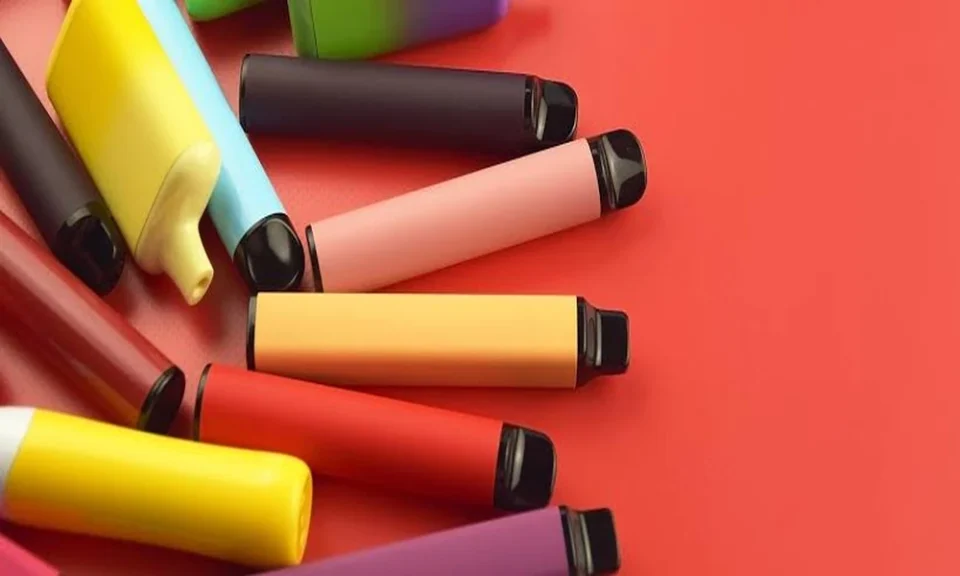
Hardware quality determines how consistently a THCA vape performs across its full lifespan rather than only at the point of first use. The best thca vapes are built with component decisions that directly address the specific demands of high-concentration extract, and those decisions show up in measurable performance differences that separate purpose-built devices from ordinary hardware applied to a formulation it was not designed to handle.
Coil material differences
- Ceramic coil surfaces distribute heat evenly across the full contact area, which vaporises dense THCA extract uniformly rather than producing hot spots that burn oil at localised points and alter vapour taste.
- Metal coil surfaces accumulate concentrated extract residue faster than ceramic alternatives, narrowing the effective draw pathway over time and introducing flavour changes that worsen as session count increases.
- Ceramic material maintains structural integrity across a higher cumulative number of heat cycles, which means the coil performs consistently in the later stages of a device’s lifespan rather than degrading before the oil reserve is finished.
- Low-resistance ceramic coil designs reach operating temperature faster per draw, which reduces the strain placed on the battery and extends consistent voltage output across the full charge cycle.
Chamber build quality
Chamber build quality shapes how oil is stored, fed to the coil, and protected between sessions across the lifespan of the device. A well-constructed chamber maintains extract integrity from first fill through to the final draws without oil separation, leakage, or feed interruption affecting session quality.
Wide feed channel openings in quality chambers allow dense THCA extract to reach the coil consistently without air pockets forming during draws. Sealed chamber walls limit air and light exposure between sessions, both of which degrade cannabinoid concentration over time in chambers built with loose tolerances. Leak-resistant base construction prevents oil loss during the handling and carrying that accumulates across daily use, ensuring the full oil volume remains available across every session rather than losing extract to sealing failures that ordinary hardware does not account for at the design stage.
Airflow calibration
Airflow calibration in purpose-built THCA vapes is matched to the vapour volume produced by dense extract at operating temperature rather than carried over from hardware designed for lighter distillate. That calibration difference shows up as draw resistance that feels appropriate for the oil type, rather than too tight or too loose for the vapour density the extract produces.
- Adjustable airflow on select formats allows consumers to modify draw resistance based on personal preference without affecting coil temperature or oil delivery rate.
- Fixed airflow in purpose-built devices is calibrated specifically for THCA extract viscosity rather than the thinner distillate that standard hardware airflow systems were designed around.
- Airflow channel geometry accounts for the reduction in oil volume across sessions, maintaining consistent resistance from a full chamber through to near-empty levels.
Battery output capacity
Battery output capacity determines how consistently the coil reaches operating temperature across every draw from the first session to the last. Ordinary hardware uses battery ratings sized for lighter distillates that require less heat to vaporise, which produces insufficient or inconsistent voltage output when the same device is used with dense THCA extract.
Purpose-built THCA vapes carry higher milliamp hour ratings that sustain the coil temperature needed for consistent extract conversion across a full charge cycle. Rechargeable formats in the quality segment address the voltage decline that fixed-battery devices cannot avoid, allowing consumers to restore charge before each session and maintain the same coil operating temperature from the first draw of the day through to the last.
