
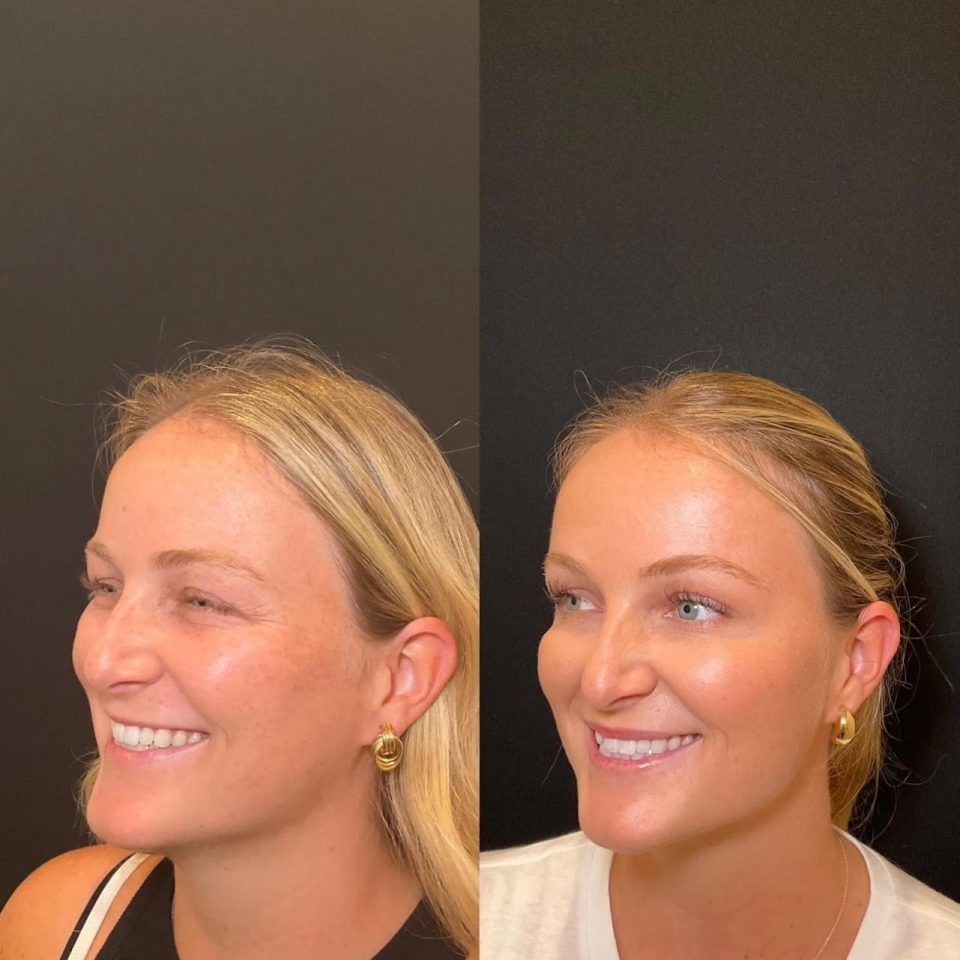
Facial expressions are an essential part of everyday communication. Smiling, frowning, concentrating, and raising the eyebrows allow people to express emotions naturally. However, repeated facial movements can gradually contribute to visible lines, particularly between the eyebrows and across the upper face.
As skin ages, changes in collagen, elasticity, and moisture retention can make expression-related wrinkles more noticeable. Some lines appear only during movement, while others eventually remain visible even when the face is relaxed.
Professional Dysport injections provide a nonsurgical option for temporarily improving the appearance of moderate to severe frown lines between the eyebrows. By reducing activity in specific facial muscles, this prescription treatment can help soften expression lines without requiring surgical intervention.
Understanding how the medication works, what happens during an appointment, and what results are realistic can help individuals make informed decisions about cosmetic wrinkle reduction.
What Is Dysport?
Dysport is a prescription injectable medication containing abobotulinumtoxinA, a formulation of botulinum toxin type A.
It belongs to a category of medications called neuromodulators.
These medications temporarily affect communication between nerves and muscles, reducing the activity of selected muscles.
For cosmetic purposes, Dysport is approved in the United States for the temporary improvement of moderate to severe glabellar lines, commonly called frown lines, in adults younger than 65.
These vertical lines appear between the eyebrows and often become more noticeable when a person frowns or concentrates.
Dysport also has medical uses, but cosmetic and therapeutic applications involve different indications and treatment considerations.
How Does Dysport Work?
Facial muscles contract in response to signals sent through the nervous system.
When someone frowns, specific muscles between the eyebrows pull the skin inward and downward.
Repeated contractions create temporary folds in the skin.
Over time, those folds may become more persistent as skin elasticity changes.
Dysport works by temporarily blocking the release of acetylcholine, a chemical messenger involved in muscle contraction.
When the targeted muscles receive fewer signals, their activity decreases.
This allows the overlying skin to appear smoother.
The medication does not fill wrinkles or restore lost facial volume. Instead, it addresses the muscle activity responsible for certain expression-related lines.
Understanding Frown Lines
Frown lines are also known as glabellar lines.
They commonly appear as one or two vertical creases between the eyebrows.
Some people refer to them as the “11 lines” because of their appearance.
These lines develop through repeated activity of muscles involved in frowning, squinting, and concentrating.
Factors such as age, genetics, facial anatomy, and skin elasticity can influence how noticeable they become.
For some individuals, the lines are visible only during facial movement.
For others, they remain apparent even when the face is relaxed.
A professional consultation can help determine whether neuromodulator treatment is likely to improve their appearance.
Dynamic Wrinkles Versus Static Wrinkles
Not all facial wrinkles respond to the same treatments.
Understanding the difference between dynamic and static wrinkles is important when considering injectable cosmetic procedures.
Dynamic Wrinkles
Dynamic wrinkles appear when facial muscles contract.
Examples include frown lines during concentration, forehead lines when raising the eyebrows, and crow’s feet when smiling.
Because these wrinkles are related to muscle movement, neuromodulators may be useful for selected concerns.
Static Wrinkles
Static wrinkles remain visible when the face is relaxed.
They can develop through repeated muscle movement, reduced skin elasticity, sun exposure, and other age-related changes.
Reducing muscle activity may soften some static lines, but deeply established wrinkles may not disappear completely.
Additional treatment approaches may be discussed when appropriate.
Who May Be a Suitable Candidate?
Adults concerned about moderate to severe frown lines may consider Dysport after discussing their goals with a qualified healthcare professional.
However, suitability depends on more than the appearance of wrinkles.
A provider should review medical history, current medications, previous cosmetic procedures, allergies, and relevant health conditions.
Certain neuromuscular disorders and other medical circumstances may increase treatment risks.
Patients who are pregnant or breastfeeding should discuss the lack of adequate safety information with their clinician.
Dysport is not appropriate for everyone, and an individualized assessment is essential before treatment.
What Happens During a Cosmetic Consultation?
A consultation allows the provider to evaluate facial anatomy and understand the patient’s expectations.
The clinician may examine the face while relaxed and during movement.
Patients may be asked to frown, raise their eyebrows, or make other expressions so muscle activity can be assessed.
The provider may also review previous injectable treatments and discuss whether the patient experienced any unexpected effects.
Important consultation topics include:
- Treatment goals
- Medical history
- Current medications
- Previous reactions
- Expected results
- Potential side effects
- Treatment costs
- Maintenance considerations
- Alternative procedures
A thorough consultation should provide enough information for the patient to make an informed choice.
What to Expect During the Procedure
Dysport is administered through small injections into selected facial muscles.
The provider first evaluates the treatment area and identifies appropriate injection locations.
The skin is prepared according to the clinician’s protocol.
Using a fine needle, the medication is delivered into the targeted muscles.
The injection process is generally brief, although the overall appointment may take longer because of consultation, preparation, and discussion.
Patients may experience a short pinching or stinging sensation.
The exact treatment plan depends on the approved dosing protocol, individual anatomy, and clinical judgment.
Is the Procedure Painful?
Most cosmetic neuromodulator appointments involve brief injections rather than surgery.
Discomfort varies among individuals.
Some patients describe the sensation as a quick pinch, while others experience mild stinging.
The treatment area may feel temporarily tender afterward.
Patients who are concerned about discomfort can discuss available comfort measures with their provider.
Significant or unusual pain should not be ignored and should be communicated to the treating clinician.
How Soon Do Results Appear?
One reason people consider Dysport is that cosmetic effects may begin developing within several days.
Some patients notice changes relatively quickly, while others experience a more gradual response.
The full effect should be evaluated according to the provider’s recommended timeline rather than immediately after the appointment.
Individual timing can vary.
Patients should avoid assuming that additional medication is needed simply because their frown lines have not changed on the first day.
Allowing adequate time for the treatment to develop helps support appropriate follow-up decisions.
How Long Do Results Last?
The cosmetic effects of Dysport are temporary.
For many patients, visible improvement lasts approximately three to four months, although duration varies.
Factors that may influence longevity include:
- Individual muscle activity
- Treatment response
- Facial anatomy
- Dosage
- Previous treatment history
- Metabolic differences
As the medication’s effects gradually decrease, muscle activity returns.
Frown lines may then become more noticeable again.
Patients who wish to maintain results can discuss an appropriate treatment schedule with their provider.
Can Dysport Create Natural-Looking Results?
Natural-looking results are a common priority for patients considering cosmetic injections.
Many people want their frown lines to appear softer without losing the ability to express emotion.
The outcome depends on the treatment plan, injection technique, individual anatomy, and response to the medication.
A qualified injector evaluates how facial muscles work together.
Reducing activity in one muscle group can affect the appearance and movement of nearby areas, so careful planning matters.
The goal is often to improve unwanted expression lines while preserving an appearance that suits the individual.
Dysport Versus Botox
Dysport and Botox are both prescription neuromodulators containing formulations of botulinum toxin type A.
They work through a similar general mechanism by temporarily reducing muscle activity.
However, they are different medications.
Dysport contains abobotulinumtoxinA, while Botox contains onabotulinumtoxinA.
Their formulations, dosing units, and approved uses are not identical.
Importantly, the units of one product cannot be directly substituted for the same number of units of another.
A qualified provider can explain which medication may be appropriate for the patient’s concern.
Dysport Versus Dermal Fillers
Neuromodulators and dermal fillers are both used in cosmetic medicine, but they address different concerns.
Dysport temporarily reduces activity in selected muscles.
Dermal fillers are designed to add or restore volume, support facial contours, or improve certain folds and lines, depending on the product.
For example, frown lines caused by repeated muscle contractions may respond to a neuromodulator.
Concerns related primarily to volume loss may require a different approach.
The two treatment categories are not interchangeable.
A professional assessment helps determine which option is relevant to the patient’s goals.
What Happens After Treatment?
Most patients can resume many normal activities shortly after their appointment.
However, the provider may recommend specific precautions based on the treatment area and individual circumstances.
Temporary redness, swelling, tenderness, or bruising can occur at injection sites.
Patients should follow their clinician’s aftercare instructions rather than relying on advice intended for another person.
If concerning symptoms develop, contacting the treating medical professional is important.
Possible Side Effects
Dysport is a prescription medication and can cause side effects.
Commonly reported effects in cosmetic use may include headache, injection-site discomfort, swelling, or reactions involving nearby muscles.
Some patients may experience eyelid drooping or other unwanted changes in muscle function.
The risk of particular effects depends on factors such as injection placement, dose, anatomy, and individual response.
Patients should review the medication’s safety information and discuss relevant concerns before treatment.
Understanding the Boxed Warning
Botulinum toxin products, including Dysport, carry a boxed warning about the potential spread of toxin effects beyond the injection site.
Such effects may cause symptoms associated with botulism, including muscle weakness, difficulty swallowing, changes in speech, or breathing problems.
These symptoms can be serious.
Anyone experiencing difficulty breathing, swallowing, or speaking after treatment should seek immediate medical attention.
A qualified medical professional should review contraindications, medication interactions, and relevant risk factors before administering the medication.
Why Professional Injection Technique Matters
Successful cosmetic treatment requires more than administering medication.
Facial anatomy is complex, and nearby muscles interact to create expressions.
Small differences in injection placement or dose can affect the outcome.
An appropriately licensed and trained medical professional should understand the relevant anatomy, approved treatment protocols, and potential complications.
Patients should also consider whether the practice uses authentic prescription products and follows appropriate medical standards.
Selecting a provider solely because of a discounted price may overlook important safety considerations.
Can Dysport Prevent Future Wrinkles?
Some people consider neuromodulator injections before expression lines become deeply established.
The idea is that temporarily reducing repeated muscle contraction may limit some of the ongoing skin folding associated with dynamic wrinkles.
However, facial aging involves many processes.
Genetics, sun exposure, collagen changes, skin elasticity, and lifestyle factors all contribute.
Dysport does not stop the aging process or prevent every type of wrinkle.
Patients considering early cosmetic treatment should discuss the potential benefits, limitations, and ongoing maintenance requirements with a qualified provider.
The Importance of Realistic Expectations
Cosmetic injections can improve certain wrinkles, but they do not completely transform skin quality.
Dysport does not directly correct pigmentation, acne scars, significant skin laxity, or facial volume loss.
It also does not permanently eliminate expression lines.
Patients should understand what the medication is designed to accomplish before treatment begins.
Clear communication about desired results helps the provider recommend an appropriate approach and explain whether other treatments may be more suitable.
Supporting Results With Good Skincare
Professional wrinkle reduction is only one part of facial care.
Healthy skincare habits can support the overall appearance and comfort of the skin.
A basic routine may include gentle cleansing, appropriate moisturizing, and regular sun protection.
Broad-spectrum sunscreen is especially important because ultraviolet exposure contributes to premature skin aging.
For individuals living in sunny regions such as Arizona, protecting the skin during everyday outdoor activities can be particularly valuable.
A dermatologist can also recommend products suited to concerns such as dryness, pigmentation, acne, or sensitivity.
How Often Should Treatment Be Repeated?
Because Dysport’s effects are temporary, some patients choose periodic maintenance appointments.
The appropriate interval depends on individual response, treatment goals, and professional guidance.
Patients should not schedule additional injections too frequently in an attempt to maintain constant muscle relaxation.
The medication’s prescribing information and the clinician’s recommendations should guide timing.
For cosmetic glabellar-line treatment, safety and effectiveness with dosing more frequently than every three months have not been clinically established.
An individualized plan helps avoid unnecessary treatment.
Common Misconceptions About Dysport
Several misunderstandings can influence expectations.
Results Are Permanent
The effects gradually wear off, and muscle activity returns.
Everyone Needs the Same Amount
Treatment should follow appropriate dosing guidance while accounting for individual clinical factors.
Dysport Works Like a Filler
It does not add facial volume. It temporarily reduces selected muscle activity.
Results Are Immediate
Changes usually develop over several days rather than appearing instantly.
More Medication Always Means Better Results
Excessive treatment can increase the risk of unwanted effects and may not produce a more natural appearance.
Understanding these distinctions helps patients make more informed choices.
Questions to Ask Before Scheduling an Appointment
A consultation is an opportunity to understand the procedure and the provider’s recommendations.
Useful questions include:
- Am I an appropriate candidate?
- What results are realistic for my frown lines?
- How does this medication differ from other neuromodulators?
- What side effects should I understand?
- How soon might I notice improvement?
- How long could the effects last?
- What should I do before the appointment?
- What aftercare instructions should I follow?
- How often might maintenance be appropriate?
- Who should I contact if I experience an unexpected reaction?
A qualified provider should be willing to explain these considerations clearly.
Choosing Treatment Based on Individual Goals
Cosmetic care is personal.
Some individuals are comfortable with visible expression lines, while others prefer a smoother appearance between the eyebrows.
Neither preference requires a universal approach.
A thoughtful treatment plan considers facial anatomy, medical history, desired changes, and realistic outcomes.
It should also acknowledge that natural facial movement contributes to communication and personal expression.
The objective is not necessarily to eliminate every line but to achieve an appearance that aligns with the patient’s preferences while prioritizing safety.
Conclusion: Understanding the Benefits and Limitations of Dysport
Dysport is a prescription neuromodulator used cosmetically to temporarily improve moderate to severe frown lines between the eyebrows in eligible adults.
It works by reducing activity in targeted muscles, allowing expression-related wrinkles to appear smoother.
The procedure is generally brief, and visible changes may develop within several days. Results commonly last a few months, although individual experiences vary.
While the treatment may appeal to people seeking nonsurgical wrinkle reduction, it is important to understand that the effects are temporary and that potential side effects and complications exist.
Professional assessment plays an essential role in determining suitability, selecting appropriate injection sites, discussing risks, and establishing realistic expectations.
Patients should also remember that neuromodulators address only certain aspects of facial aging. Consistent skincare, sun protection, and appropriate management of other skin concerns remain important.
By understanding how Dysport works and discussing their goals with a qualified medical professional, individuals can make informed decisions about whether this cosmetic option is appropriate for their needs.
