
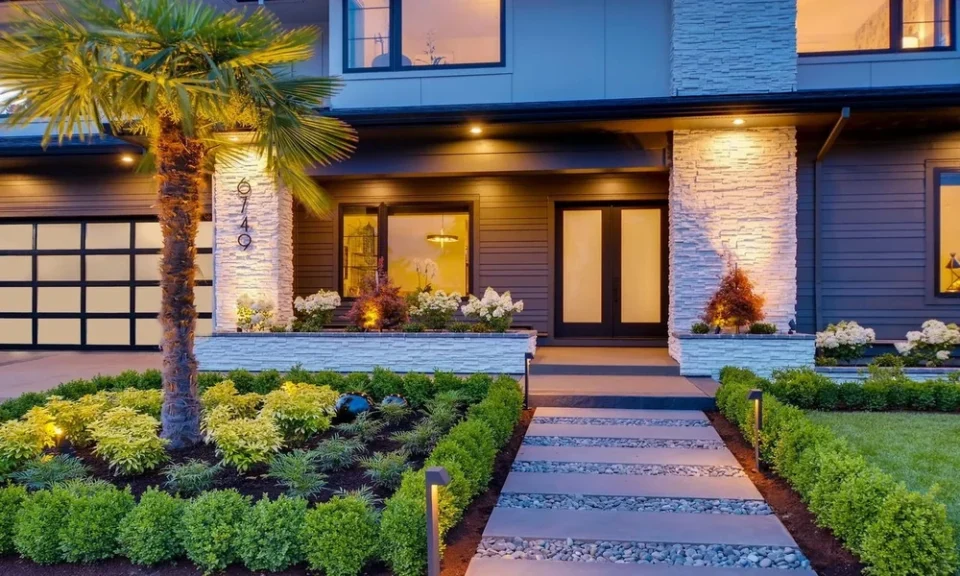
A house number can be one of the first things visitors, neighbors, or potential buyers notice about your home. Rather than treating it as a mere utility, imagine it as an extension of your home’s character and style. The right design not only ensures guests find you effortlessly, but can also enhance curb appeal and create an unforgettable first impression.
Understanding the Role of House Numbers in Architectural Design
Why a Unique House Number Matters
Personalizing your house number is about more than just standing out. A custom design transforms a functional element into a signature of your home’s personality. It signals attention to detail, pride of ownership, and a desire for harmony between your house and its surroundings.
How House Numbers Influence Curb Appeal and Identity
The front of your home acts like a calling card. An address sign that complements your architecture can elevate even the simplest facade. It quietly communicates your taste and increases your home’s perceived value. A well-designed number can even help emergency services or deliveries reach you more swiftly, blending style with real-world practicality.
Balancing Functionality and Style
Of course, a house number must be readable and weather-resistant. The challenge is to combine legibility and durability with a design that truly fits your home. Success lies in reflecting your architecture and personal style while ensuring the sign is built for years of exposure.
Customizing Your House Number to Match Architectural Elements
Assessing Your Home’s Architectural Style
Begin by examining your home’s unique character. Is it modern, traditional, rustic, or perhaps an eclectic mix? Take note of key features: rooflines, window shapes, building materials, and trim details. Your address sign should echo these elements rather than compete with them.
Choosing the Right Material for Durability and Aesthetics
Materials play a crucial role in both longevity and visual impact. Options like aluminum, stainless steel, brass, copper, acrylic, and even specialty finishes offer different moods. For example, brushed stainless steel brings sleek modernity, while bronze or copper adds warmth and tradition. If sustainability matters to you, seek out high-quality recycled metals or eco-friendly fabrication processes.
Selecting Fonts that Complement Your Home’s Design
Font choice sets the tone. A sans serif font might suit a minimalist, mid-century structure, while a script font can lend elegance to classic or Victorian homes. Some designers even let you use your own handwriting for a truly personal mark. The font should be clear enough to read from a distance, but expressive enough to convey your style.
The Impact of Color and Finish on Visual Harmony
Color and finish must harmonize with your home’s palette. Whether you choose matte black to match ironwork or a semi-gloss brown to blend with wood tones, the finish helps your house number look intentional rather than tacked on. Subtlety can be just as impactful as bold contrast, especially when chosen to accentuate architectural lines.
Designing for Visibility and Practicality
Determining Optimal Size and Spacing
A number that’s too small gets overlooked, while one that’s too large can overpower your entryway. Designers recommend basing size on viewing distance, the scale of your home, and placement location. Spacing between numbers or mounting on a bar ensures each digit is readable and aesthetically pleasing.
Placement Strategies for Maximum Readability
Where you place your house number matters. Consider installing it near the main entrance, on a gate, or even affixed to a tree facing the street. Choose a spot with clear sightlines and good lighting. Templates and expert advice are available to help position the sign for both beauty and readability.
Considering Lighting: Illuminated and Halo-Lit Options
If your home faces a dim street or you want your address to stand out at night, illuminated or halo-lit numbers are a smart choice. Discreet LED lighting enhances both visibility and style, and is often easy to install with guidance from your designer or electrician.
The Custom Design Process: From Concept to Installation
Gathering Inspiration and Providing Home Details
Start with clear photos of your home’s frontage, noting preferred installation spots and any style inspirations you have. The more detail you share, the easier it is for designers to tailor suggestions.
Collaborating with Designers: Feedback and Revisions
A truly custom process involves back-and-forth collaboration. At each stage, you’ll review renderings and propose tweaks until every detail matches your vision. This dialogue ensures the finished product feels genuinely yours.
Understanding Production Timelines and Quality Assurance
Most projects progress from initial inquiry to delivery in three to six weeks. Reputable providers construct address signs individually, often in-house, for quality control and a lifetime warranty.
Installation Tips and Support Options
If you’re local, installation services may be available. Otherwise, providers include templates and clear instructions, making do-it-yourself installation straightforward. When needed, they can recommend local professionals to help.
Maintaining Your Custom House Number for Longevity
Cleaning and Care Recommendations
A quick wipe-down every few months is usually enough to keep the finish looking sharp. Simple maintenance helps guard against air pollution and weather-related wear.
Warranty and Repair Policies
Look for a lifetime warranty covering defects beyond natural wear. If any issues arise, prompt repair or replacement offers peace of mind.
Sustainable Materials and Eco-Friendly Practices
Eco-conscious makers prioritize recycled, lead-free metals, and minimize waste in production. This commitment protects the environment while delivering a sign that lasts for decades.
Additional Customization Options and Related Products
Customization can go beyond numbers. Plaques, mailboxes, and parcel drop boxes can all be coordinated for a beautifully unified aesthetic. Creative options like engraved, framed, or cutout formats let you push the boundaries of design, while integrating lighting and electrical elements adds both flair and functionality.
For anyone seeking the perfect finishing touch, expert-crafted options like Orthografica address signs for a house ensure that style and substance go hand in hand, transforming a simple detail into a statement piece uniquely matched to your home.
