
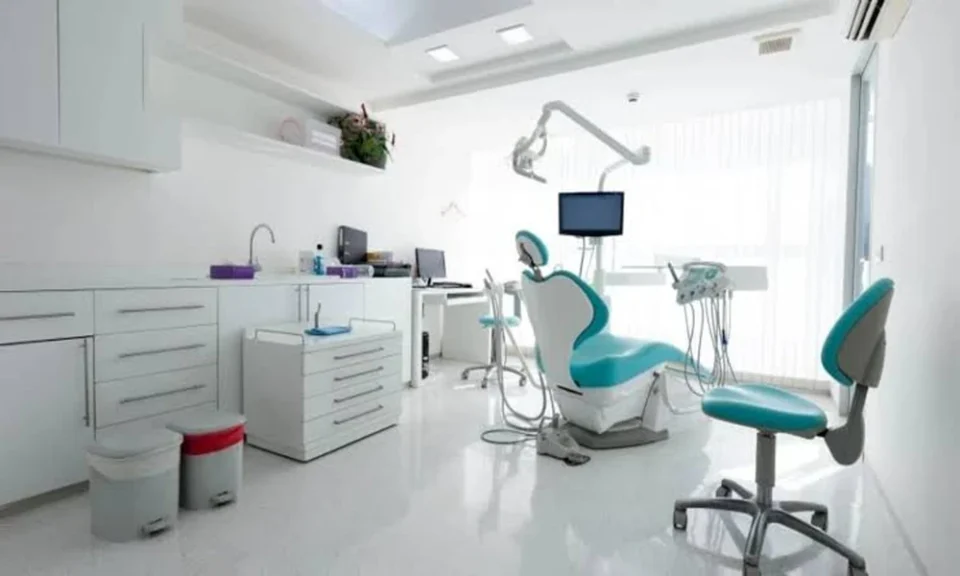
A friend of mine once stood in an empty suite with a contractor and a clipboard. Bare concrete. Exposed ceiling. The quote he heard that afternoon made him sit down on an overturned bucket. He had planned for rent and equipment, but not for trenching floors and running lines to every chair. A week later, someone suggested he visit HPRG listings and look at spaces another dentist had already built. That small shift changed the entire tone of his opening year.
Walking into a Room That Remembers
There is something steady about a space that has already done this work. The operatories sit where they always sat. The sterilization area already has its sinks. You walk in, and the room seems to know what it is for. That familiarity matters more than people expect, because it removes so much guessing from the first few months.
- Plumbing and drains are often already at each chair.
- Cabinets and counters may only need cleaning or minor repair.
- The layout has already been tested by real patient traffic.
The Quiet Math Behind Existing Plumbing
Nobody gets excited about pipes. Still, they shape the budget more than almost anything else. Cutting concrete for vacuum and water lines takes time, permits, and a patient landlord. In a second-generation suite, much of that is finished. The savings are not dramatic in a single moment. They simply show up, month after month, as money that never had to leave the account.
Fewer Decisions Leave More Room to Breathe
Opening a practice involves hundreds of small choices. Paint colors. Chair brands. Software. When the walls and lines are already settled, a whole category of decisions disappears. My friend said it felt like someone had quietly cleared half his desk. He spent that recovered energy on hiring well and learning his new neighborhood, which turned out to matter far more than any custom cabinet.
Patients Notice Calm More Than Cabinets
Patients rarely comment on finishes. They notice whether the front desk feels relaxed and whether appointments start on time. A practice that opens on schedule, without a rushed construction finish, tends to carry that calm into daily routines. If you visit HPRG to compare available suites, it helps to picture an ordinary Tuesday there rather than a perfect grand opening.
- Look at how natural light reaches the treatment rooms.
- Notice the walk from reception to the farthest operatory.
- Ask how long the previous practice stayed in the space.
Knowing When an Old Suite Fits
Not every existing office is the right one. Some layouts feel cramped. Some equipment connections are outdated and need replacing anyway. The useful habit is to walk through slowly, ask about the age of the plumbing and electrical work, and bring someone who has built a dental office before. A careful hour on site can save a frustrating year.
| Setup Item | Typical New Buildout | Second Generation Suite |
| Plumbing to operatories | Full installation required | Often already in place |
| Vacuum and air lines | Floor trenching needed | Usually existing |
| Cabinetry | Custom build | Reuse or refresh |
| Construction time | Three to six months | A few weeks to two months |
| Permit workload | Extensive | Often lighter |
The table reflects common patterns rather than fixed numbers. Every space is different, and inspections still matter.
A Few Simple Questions
- Is a second-generation space always cheaper? Usually, though outdated systems may still need upgrades.
- Can the layout be changed? Yes, but large changes reduce the savings.
- Should existing equipment be reused? Only after a technician checks its condition.
- How long does it take to move in? Often weeks instead of months, depending on updates.
Looking back, my friend rarely talks about the money he saved. He talks about how ordinary his first month felt. Patients came, the chairs worked, and the days had a rhythm almost from the start. There is a quiet kind of relief in stepping into a place that was already ready for you, and choosing to build your work on top of what someone else carefully left behind.
