
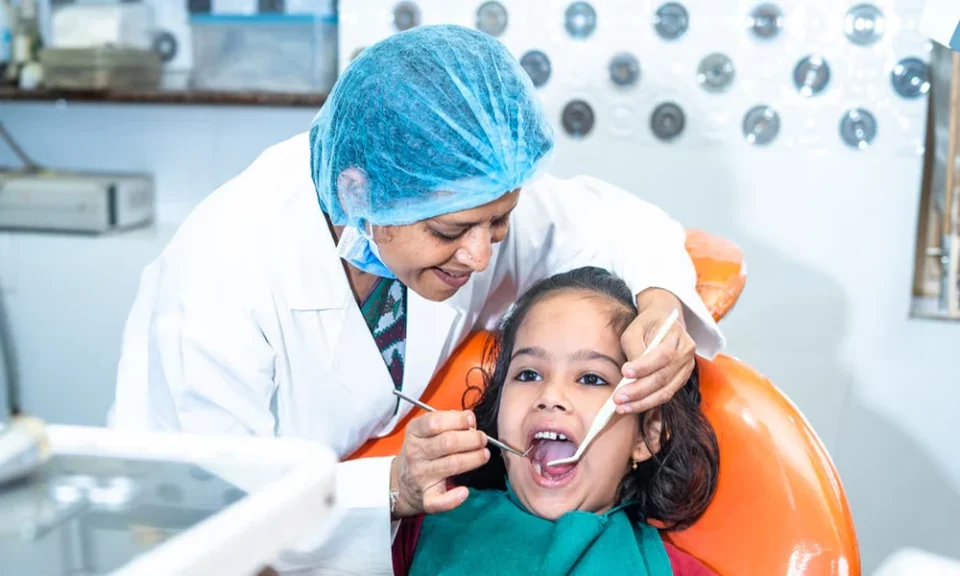
You notice the wet shirts, the constant wiping, the rash around your child’s mouth, and the way other people sometimes stare before they look away. It can feel small to everyone else and exhausting to you. Persistent drooling in children often sits in that space where you know something is off, but you are not sure whether it is a phase, a habit, or a sign of a bigger issue. If you are looking for guidance, experienced pediatric dentists in Ontario, CA can help assess what may be contributing to the problem.
Drooling is common in babies and young toddlers. It becomes more concerning when it continues past the usual developmental window, interferes with speech or eating, causes skin irritation, or affects your child’s comfort and confidence. A pediatric dentist looks at more than saliva. They assess oral structure, muscle control, bite, breathing patterns, swallowing, and habits that may be keeping the problem going. In plain terms, how pediatric dentists evaluate persistent drooling in children comes down to finding the reason behind it, not just managing the mess.
Persistent drooling in children usually points to an underlying pattern
Chronic drooling in children can happen for several reasons. Sometimes the body makes a normal amount of saliva, but the child has trouble keeping it in the mouth because of low muscle tone, open mouth posture, enlarged tonsils, nasal blockage, lip weakness, or swallowing problems. In other cases, teething, certain medications, reflux, sensory differences, or developmental disabilities can play a part. The National Institute of Dental and Craniofacial Research explains how developmental disabilities can affect oral health, and drooling is often part of that bigger picture.
This is where parents get stuck. You clean up the drool, buy bibs, switch shirts, try reminders, and maybe hear that your child will outgrow it. Sometimes they do. Sometimes they do not. When drooling continues, the issue is rarely just “too much saliva.” More often, saliva escapes because the mouth stays open, the tongue rests forward, the lips do not seal well, or swallowing does not happen often enough.
A pediatric dentist often starts with a health history and a close oral exam. They look at the teeth, gums, jaw growth, palate shape, bite alignment, tongue position, and lip closure. They may ask whether your child snores, breathes through the mouth, chokes on drinks, avoids certain textures, or has frequent congestion. Those details matter because drooling can connect to airway issues, oral motor delay, or feeding and swallowing concerns.
Pediatric drooling assessment includes the mouth, airway, and daily function
A proper pediatric drooling assessment is not rushed. The dentist watches how your child sits, breathes, swallows, and speaks. They may note whether saliva pools at the lips, whether the chin stays wet, and whether there is redness or breakdown of the skin. If your child has trouble chewing, keeping food in the mouth, or clearing saliva without reminders, that gives useful clues.
Some children drool more when they are concentrating, tired, or sitting with poor head and neck support. Others drool because they cannot comfortably breathe through the nose, so their mouth stays open most of the day. A narrow palate, large overjet, or weak lip seal can make that worse. This is one reason a pediatric dentist can be an important part of the evaluation. Oral structure affects function, and function affects drooling.
If swallowing or feeding concerns are present, referral is often the next step. The American Speech Language Hearing Association outlines pediatric feeding and swallowing concerns that may overlap with persistent drooling. A child may need support from a speech language pathologist, ENT, pediatrician, occupational therapist, or other specialist depending on what the exam shows.
Common findings during a drooling evaluation by a pediatric dentist
Parents often expect a single answer, but the evaluation usually uncovers a pattern of small issues working together. A child might have mild mouth breathing, a tongue thrust, delayed swallowing frequency, and lip weakness all at once. None of those alone sounds dramatic. Together, they can lead to constant drooling.
| Finding | What the pediatric dentist may notice | Why it matters |
|---|---|---|
| Open mouth posture | Lips apart at rest, dry lips, visible saliva at the front of the mouth | Saliva is harder to contain and swallow regularly |
| Mouth breathing | Snoring, congestion, long face pattern, low tongue posture | Airway issues can keep the mouth open all day |
| Lip or tongue weakness | Poor lip seal, messy eating, tongue forward at rest | Oral motor control affects saliva management |
| Bite or palate concerns | Narrow upper arch, protruding front teeth, crossbite | Oral structure can make lip closure harder |
| Swallowing difficulty | Coughing with liquids, pocketing food, infrequent swallowing | Drooling may be tied to feeding and swallowing function |
| Sensory or developmental differences | Reduced awareness of saliva, variable muscle tone | Support often needs to be tailored and team based |
Simple home fixes can miss the reason drooling continues
Reminding a child to swallow or close their mouth can help in the moment, but it often does not last if the cause is structural or medical. A child who cannot breathe well through the nose will keep opening the mouth. A child with weak oral muscles may need therapy, not correction. A child with swallowing difficulty needs careful evaluation before anyone assumes the problem is behavioral.
This is also where stress builds. You may worry about school, social embarrassment, skin irritation, and whether something was missed earlier. Those concerns are real. Persistent drooling can affect comfort, hygiene, sleep, speech clarity, and self esteem, especially as children get older.
Three steps you can take right away
Track the pattern. Write down when drooling is worse. Note sleep quality, snoring, congestion, eating struggles, speech concerns, and whether it increases during screen time or focused tasks. That record helps the dentist spot patterns faster.
Schedule a pediatric dental evaluation. Ask for an exam that includes oral posture, bite, tongue position, lip seal, and breathing habits. If you are seeking help with drooling evaluation in children, you want someone looking at both structure and function.
Follow through on referrals. If the dentist suggests an ENT, speech language pathologist, or pediatrician, do not treat it as an extra. Team care is often what leads to real improvement because drooling can involve the airway, muscles, nerves, and swallow.
Your child is not being difficult, and you are not overreacting by looking into it. Ongoing drooling deserves a closer look, especially when it affects daily life. A thoughtful pediatric dental exam can uncover what is driving the problem and point you toward the right support. If persistent drooling has become part of your child’s normal day, now is a good time to schedule an evaluation with a pediatric dentist.
