
Paid GB -1
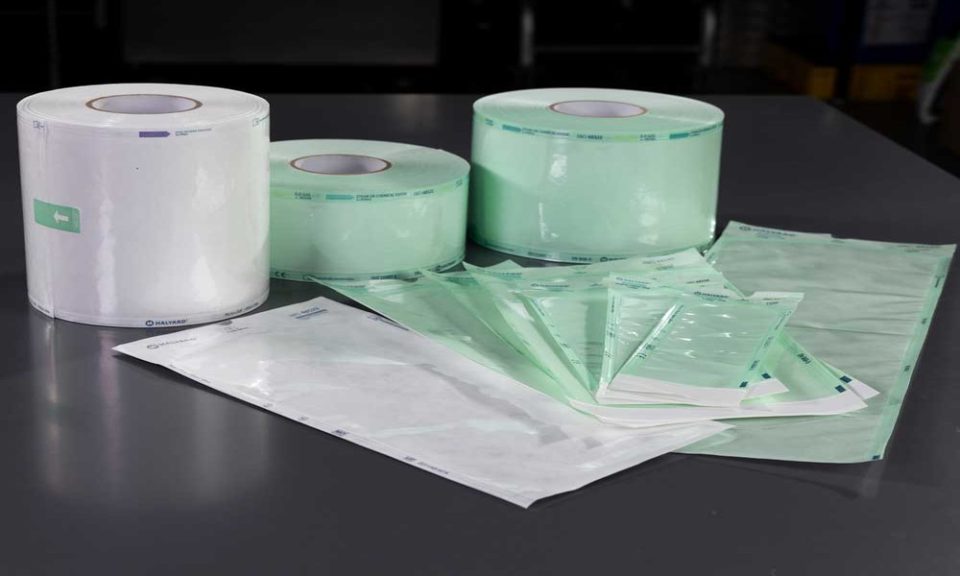
Autoclave pouches are essential tools in sterilization processes used in laboratories, hospitals, research facilities, and pharmaceutical companies. These pouches are specifically designed to maintain sterility during the autoclaving process, which involves high-pressure steam sterilization. Understanding the critical features of autoclave pouches can help ensure effective sterilization and compliance with safety standards.
Material quality: The foundation of effective sterilization
The material of autoclave pouches plays a significant role in their performance. Most pouches are made from polypropylene (PP), a durable and heat-resistant plastic suitable for high-temperature sterilization.
Benefits of polypropylene:
- High-temperature resistance allows for effective sterilization.
- Chemical resistance ensures integrity during the autoclaving process.
- Lightweight and flexible, providing ease of handling.
Choosing autoclave pouches made from high-quality materials ensures that they can withstand the rigors of the sterilization process without compromising the sterility of the contents.
Temperature resistance: Ensuring effective sterilization
Temperature resistance is a crucial factor when selecting autoclave pouches. These pouches must endure temperatures typically ranging from 121°C to 134°C during the sterilization cycle.
Key considerations:
- Verify the maximum temperature rating of the pouches to ensure they meet specific sterilization requirements.
- Consider the duration of exposure to high temperatures, as prolonged exposure can affect the integrity of lower-quality pouches.
Selecting autoclave pouches with appropriate temperature resistance helps maintain the sterility of instruments and materials used in various medical and laboratory environments.
Sealing strength: Maintaining sterility
The sealing strength of autoclave pouches is vital for preventing contamination. A secure seal ensures that the contents remain sterile until they are needed.
Types of seals:
- Heat seals: Commonly used in autoclave pouches, providing a strong and reliable closure.
- Self-sealing pouches: These pouches feature adhesive strips that create a seal when pressed together, offering convenience and ease of use.
When evaluating sealing strength, consider the following:
- The reliability of the seal during the sterilization process.
- The ability of the pouch to maintain the seal during storage and handling.
Choosing pouches with strong seals contributes to effective sterilization and helps prevent contamination of medical instruments and laboratory samples.
Size options: Finding the right fit
Autoclave pouches come in various sizes to accommodate different instruments and materials. Selecting the appropriate size is essential for ensuring that the contents fit securely and are adequately sterilized.
Considerations for size selection:
- Assess the dimensions of the instruments or materials that will be placed inside the pouch.
- Ensure that there is enough space for steam circulation, which is crucial for effective sterilization.
Choosing the right size of autoclave pouches helps enhance the sterilization process and ensures the safe storage of instruments and materials.
Compliance with lab safety standards
Compliance with lab safety standards is critical when selecting autoclave pouches. These standards ensure that the pouches are designed and manufactured to meet specific safety and performance criteria.
Key standards to consider:
- ISO 11607: This standard specifies requirements for materials, sterile barrier systems, and packaging for terminally sterilized medical devices.
- AAMI ST79: This guideline outlines best practices for steam sterilization and sterility assurance in healthcare facilities.
Selecting autoclave pouches that comply with these standards helps ensure that they provide effective protection and maintain sterility throughout the sterilization process.
Biohazard trash bags: A related consideration
In addition to autoclave pouches, biohazard trash bags are essential for the safe disposal of hazardous materials in laboratory and medical settings. These bags are designed to contain biohazardous waste, preventing contamination and ensuring compliance with waste management protocols.
Key features of biohazard trash bags:
- Made from durable materials to withstand punctures and tears.
- Clearly labelled with biohazard symbols for easy identification.
- Available in various sizes to accommodate different waste disposal needs.
Integrating the use of biohazard trash bags with autoclave pouches helps maintain a safe and compliant laboratory environment.
Practical tips for selecting autoclave pouches
When choosing autoclave pouches, consider the following practical tips to ensure optimal performance and safety:
- Assess your specific needs: Determine the types of instruments or materials that will be sterilized and select pouches accordingly.
- Review supplier credentials: Ensure that the manufacturer adheres to recognized safety and quality standards.
- Conduct compatibility testing: If necessary, test the pouches with your sterilization equipment to verify their effectiveness.
These tips can help enhance the selection process and ensure that the chosen autoclave pouches meet specific sterilization requirements.
The importance of proper storage and handling
Proper storage and handling of autoclave pouches are critical to maintaining their integrity and effectiveness. Follow these guidelines to ensure optimal performance:
- Store pouches in a cool, dry place away from direct sunlight.
- Handle pouches with clean hands to prevent contamination.
- Avoid stacking heavy items on top of pouches to prevent damage.
Adhering to these practices contributes to the longevity and efficacy of autoclave pouches, ensuring they perform effectively when needed.
Making informed choices for sterile packaging
Selecting the right autoclave pouches and autoclavable plastic bags is a critical step in maintaining reliable sterilisation practices across laboratories, hospitals, and research facilities. Careful evaluation of factors such as material durability, resistance to high temperatures, sealing integrity, appropriate sizing, and adherence to recognised safety standards helps ensure consistent sterile outcomes and operational efficiency.
When these considerations are prioritised, organisations can strengthen their infection control protocols and maintain confidence in their sterile packaging processes, supported by dependable solutions associated with trusted providers like Lab Chemicals.
