
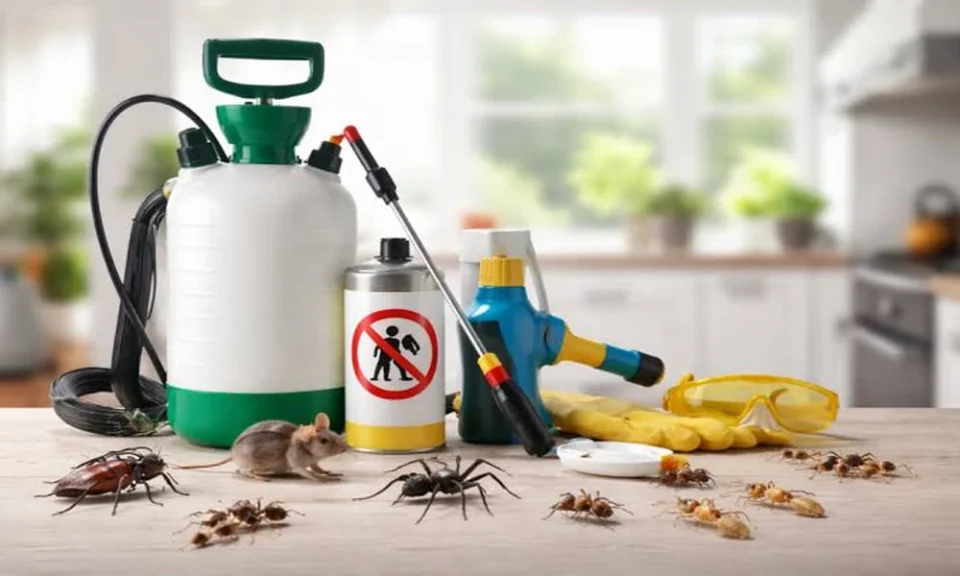
Three hundred dollars. That is what a friend of mine paid a guy in a van to “bomb the basement” for carpenter ants, and four weeks later the ants were back and the number he called was disconnected. Most pest control regret does not start with a bad technician. It starts with a bad buying decision made in a panic, usually in a kitchen at ten at night with a flashlight.
The good news is that choosing pest control in Connecticut is a lot less mysterious once you know what to look for. Company licenses, plan tiers, and the way they treat Connecticut’s particular cast of pests all follow a pattern. Once you can read that pattern, the sales pitch stops working on you. If you would rather skip the research altogether, you can look at home pest control in Connecticut from a company that has spent decades doing it locally. But reading through this first will help you judge any quote, including theirs.
What follows is a buyer’s guide, not a sales sheet. You will see how licensing actually works in this state, how the tiered plans are built, which pests are worth paying for and which ones you can handle with a caulk gun, and a checklist you can run during the first phone call.
Why Connecticut’s Pest Season Runs Longer Than You Think
People who move here from the South assume the cold kills everything. It does not. Connecticut winters slow most insects down and push rodents indoors, and the humid summers keep a whole second wave of activity going into October. That means a treatment schedule built for a single season usually leaves you exposed.
The structural stuff matters too. This state is full of older housing stock: hundred-year-old colonials in West Hartford, farmhouses with stone foundations, and newer builds in the suburbs with crawl spaces. Older houses give pests more entry points, and basements here stay damp through the spring, which is exactly what carpenter ants and termites want. A good local company knows this and will scope your foundation before quoting a plan.
Licensing: The First Thing You Should Check
Pest control is regulated at the state level, and the Connecticut Department of Energy and Environmental Protection administers pesticide licensing and certification requirements. In plain English: anyone applying pesticides for hire in this state has to hold a license, and it is not optional. Ask for the license number before anyone walks your property. A company that hesitates or gives you a phone number instead of an answer is telling you everything you need to know.
I would go a step further and check that the license is current, not just that it exists. Licenses lapse. Companies fold and rebrand. A quick call or a look at a company’s own site should give you a number you can verify. The best local outfits put this on their homepage because they know it builds trust.
How the Plan Tiers Actually Work
Most regional pest companies sell tiered annual plans, and the tiers are stacked by pest difficulty, not by how often somebody shows up. That distinction trips people up. Here is how the structure typically breaks down.
- Entry tier: the common nuisance pests. Ants, roaches, wasps and hornets, and the occasional centipede. Usually monthly or quarterly visits with free re-treats between them.
- Mid tier: adds the pests that matter structurally or bite. Carpenter ants, ticks, mice, and larger rodents like Norway rats. This is where most homeowners in the state actually land.
- Top tier: adds the specialty pests. Carpenter bees, moths, grain beetles, and termite monitoring. Termite monitoring is worth flagging here because it is usually a separate service stitched into the plan, and in a state with this much old wood, skipping it is a gamble.
Here is my take, and it is not what a salesperson wants to hear: most single-family homes are fine on the mid tier. Paying for the top tier when you have never seen a termite and your ants are ordinary pavement ants is money you could spend on a plumber. Move up when you have evidence, not because the tech was scary about termites.
Ask one question during the quote: what happens if the pest is still there two weeks after a treatment? Every reputable company has a re-treat policy baked into the plan. Get it in writing.
The Pests You Can Probably Handle Yourself
Some of what ends up on a plan does not need a professional. A handful of ants trailing through a kitchen in late spring, or a mouse that found the gap behind a stove, is fixable with a caulk gun, steel wool, and a weekend of patience. The EPA runs a consumer-facing pesticide safety page that is worth a read if you are going to buy anything off the shelf yourself, and its guidance on reading labels and following application rates is the same standard the pros have to meet.
Where I would always call someone: carpenter ants. They look like regular ants to most people, but they hollow out wood, and by the time you see the frass, the colony is well established. Same for termites, wasps that have nested inside a wall cavity, and any rodent problem that survived a weekend of traps. Those are not DIY jobs. They are the reason the plans exist.
First Call Checklist
Run this list during your first phone conversation with any company, and you will save yourself a headache.
- Ask for the state license number and write it down.
- Ask what is included in the plan tier you are being quoted, in plain words, not a brochure.
- Ask whether the service covers interior treatment or exterior only. Exterior-only plans are cheaper and often fine, but you should know what you are buying.
- Ask about the re-treat window and whether repeat visits cost extra.
- Ask what happens to your price at renewal. Annual plans sometimes jump.
- Ask whether the technician who shows up is an employee or a subcontractor. It matters when something goes wrong.
If a company cannot answer all six without transferring you to a manager, that is your answer.
What a Good Local Company Looks Like
Once you have talked to a few, a pattern emerges. The good ones are boring on the phone. They give you a license number without being asked, they scope the foundation before quoting, they tell you which pests are on which plan, and they do not try to sell you a top-tier plan when your problem is a few ants by the back door.
You will also notice they know the neighborhoods. A company based in central Connecticut can tell you that a house on a certain street tends to get a certain pest and why. That local knowledge is worth more than any national ad campaign. The state itself publishes baseline guidance on pest management for residents and public buildings through the Connecticut government portal, which is a solid neutral place to sanity-check what any company tells you.
The best proof, though, is a plain answer to a plain question: what is your license number, and what happens if the ants come back? A company that answers those without flinching is probably the one you want.
What This Comes Down To
Pest control is a service you buy in a hurry and live with for a year, which makes it easy to overpay or under-buy. The license number protects you. The plan tier protects your wallet. The pests in your basement decide which one you actually need. Start with the license, ask what is covered, and don’t let anyone sell you a termite add-on you did not ask for because the technician looked concerned.
Run the six-question checklist on your next call. If you are in the Hartford area and want a company that has done this work long enough to know the local housing stock, start there. What is your biggest pest question right now?
